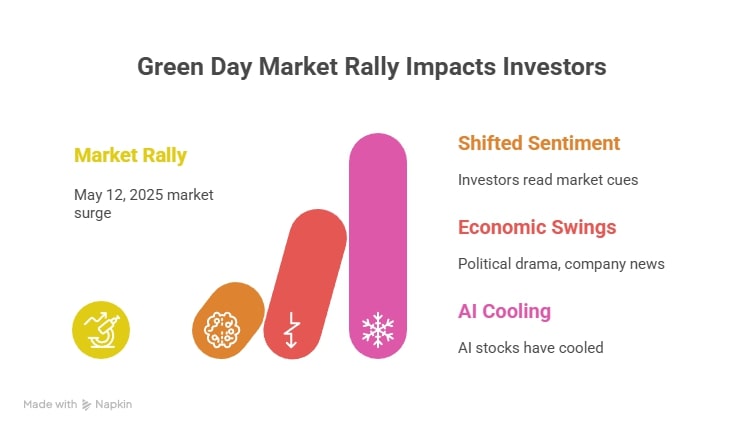
Since the May 12 2025 market rally, sentiment has shifted in surprising ways what felt like a one-day surge turned into a key signal for how investors now read market cues.
Remember that buzzing Monday morning on May 12th, 2025? The market seemed to turn green all at once, from mega-cap tech stocks to a surprising mix of biotech winners. Investors from seasoned pros to younger newcomers watched as stocks like NVIDIA, Pfizer, and Palantir surged, lifting the entire S&P 500 ETF (SPY) along with them.
The Power of a Green Day
That day wasn’t just a random spike. Big economic swings, some political drama, and company news all crashing down at once. Total chaos. But honestly, the juicy bit isn’t just what went down that day. It’s what those curveballs can show us about surviving this unpredictable market mess we’re all in now. With a little hindsight, things make a lot more sense, don’t they?
Six months later, that Monday still stands out. Back then, the charts were all green, optimism was loud, and it felt like the market had finally turned a corner. But as we reach November, the picture looks a little different. AI stocks have cooled, the Fed’s tone has softened, and global trade tensions have shifted again. Let’s take a fresh look at what that rally really revealed and what’s changed since.
What really drove that rally? And what do those forces mean for your portfolio today? Let’s revisit that historic rally and use it to sharpen your investment approach.
“Rewind to May 12th Market Rally: The Catalysts Behind the Surge”
AI’s Enduring Optimism in Tech
For investors who watched the May 12 2025 market rally unfold, one thing was crystal clear tech optimism was back in full swing.
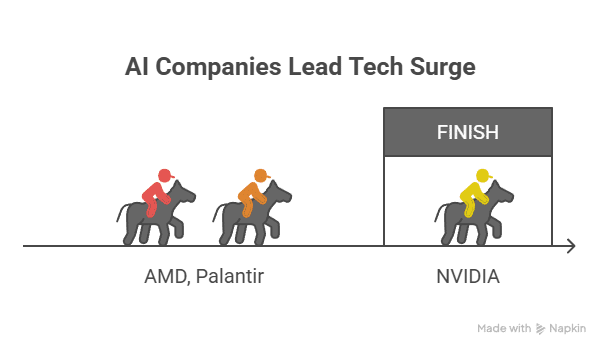
The biggest driver then and arguably still today was the excitement around Artificial Intelligence. NVIDIA and AMD were at the heart of it, with new partnerships and soaring demand for AI-specific chips. Palantir’s rumored federal contract tied to AI added extra momentum.
What this means now: AI isn’t a passing fad. It’s a foundational technology. AI’s basically the backbone here. You’ve got companies like NVIDIA and Palantir snagging all those juicy government contracts and piecing together the nuts and bolts of tomorrow’s tech. Honestly, if you’re not keeping tabs on this stuff, you’re probably missing out on some serious chances. It’s wild how fast things are moving.
The AI rally that lit up markets in the first half of the year has finally hit its first speed bump.
To understand why these pullbacks are part of a longer cycle, this breakdown of NVIDIA’s AI-driven financial growth in 2025 explains how demand, margins, and long-term capital spending still support the broader AI story.
NVIDIA and AMD both saw pullbacks in early November as investors took a breather after months of big gains. Still, spending on AI isn’t slowing down. Meta, Microsoft, and several Asian chipmakers are ramping up data-center investments for 2026. That tells you the story isn’t over it’s just maturing.
Pfizer’s Regulatory Victory
The “Pfizer’s Regulatory Victory” section was a key part of the original analysis. Here’s how that story has developed:
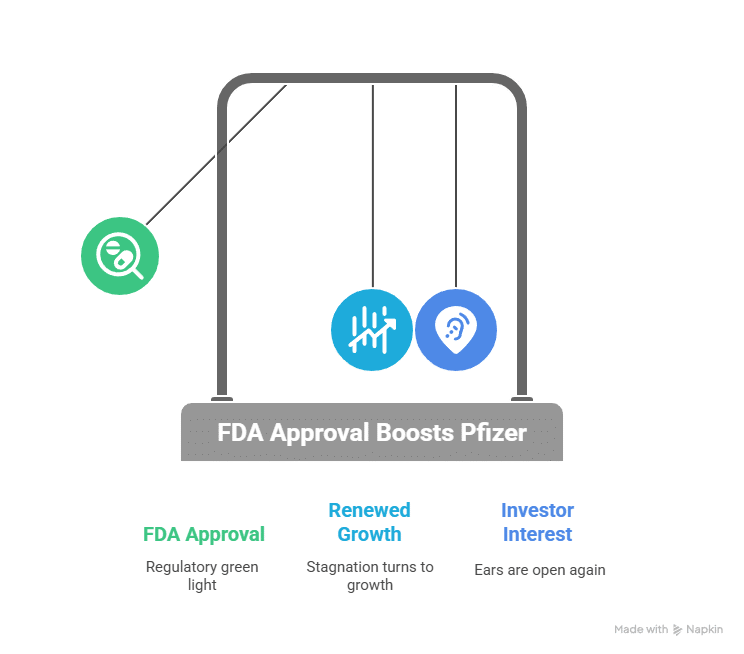
Back in May, the catalyst was clear: a major FDA approval for its RSV vaccine that reignited investor interest and showed the stock still had explosive potential.
Six months later, that initial spark has turned into a steady burn. Pfizer’s winning streak didn’t stop with the vaccine. Their promising Q4 antiviral drug trials have further impressed analysts, helping the biotech sector hold its gains even as other parts of the market have cooled off. This post-rally performance is a powerful reminder that a single regulatory win can be more than a one-day story it can mark the beginning of a renewed growth phase for a mature company.
Looking back at the May 12 2025 market rally, it’s moments like Pfizer’s resurgence that remind investors how quickly sentiment can turn when the fundamentals finally catch up with the hype.
What this means now: Always be alert for “surprise” catalysts. For mature companies, especially in pharmaceuticals, new product approvals can mark the difference between stagnation and renewed growth.
For a deeper dive into the factors propelling Wall Street’s recent rally, including strong corporate earnings and renewed investor confidence, you can read the full analysis here: Wall Street’s Resilient Rally: What’s Driving the Positive Momentum.
The Fed’s Balancing Act and Its Impact on the May 12 2025 Market Rally
After one last rate hike in July, the Federal Reserve has mostly been on pause. Inflation’s hovering around 2.8%, and traders now expect the first rate cuts to show up sometime next summer. This round feels different the Fed’s less focused on crushing inflation and more on keeping growth steady.
Since the May 12 2025 market rally, every Fed pause or policy shift has sent waves through investor expectations, showing how deeply connected rate talk and market mood have become.
The May 12 2025 market rally was a perfect reminder of how quickly investor moods can flip. The moment the Fed hints at a break, confidence starts to creep back in, especially around tech and biotech names. Still, the central bank’s trying not to lean too far either way. For long-term investors, that’s a cue to stay balanced focus on solid fundamentals instead of chasing every swing.
“For an in-depth exploration of how artificial intelligence is transforming personal finance in 2025, check out our detailed analysis on AI’s impact on financial management.”
Geopolitical Factors
What this means now: Geopolitics remains a critical market factor. As trade policies and diplomatic efforts evolve, companies with global supply chains will feel the effects. Watching the broader picture is essential not just a company’s internal performance.
The early-November U.S.–China trade deal brought temporary relief to Asian markets after months of tension. Tariffs on select imports were cut for 90 days, giving exporters a breather and boosting investor confidence. Still, both sides are cautious, and the upcoming U.S. election cycle could bring new twists. Investors should stay alert trade peace these days tends to come with an expiration date.
What Retail Investors Should Learn from the May 12th Rally
That day’s excitement was real, but the real wisdom comes from stepping back and looking with a clear head. Here are lessons you can apply, no matter the market’s mood:
- Avoid FOMO and Stick to a Plan: Many chased stocks during the spike, but building wealth requires discipline. The best investors didn’t jump in blindly—they had long-term plans that let them capitalize when opportunities arose.
- The “Why” Matters More Than the “What”: Don’t just notice a stock’s price movement—dig into the reasons behind it. The May 12th rally was driven by concrete factors, making those price jumps more justifiable than pure hype.
- Diversification Is Your Safety Net: The SPY ETF’s rise showed how a diversified portfolio can protect you. Individual stocks swing wildly, but broad market indexes give your holdings a solid foundation.
Six Months Later: Where the May 12 2025 Market Rally Stands Now
Since that rally, these trends have continued to shape the market:
About six months later, that bright green Monday feels less like a turning point and more like a quick snapshot of what investors were thinking back then. The hype around AI-driven names that powered the rally has cooled, while steadier corners of the market healthcare, energy, even some old-school dividend stocks have held their ground. Since October, the S&P 500 has just been moving sideways. Not collapsing, not surging, just pausing for air.
This kind of sideways movement often follows sharp rallies, and similar patterns were visible during the November 4th market correction, when investors shifted from momentum chasing to capital preservation.
Looking back, that rally wasn’t luck. It showed how fast optimism can lift prices and how just as fast reality can bring them down again. The May 12 2025 market rally was a reminder that markets move on emotion as much as data. And if we’re being honest, the people who stayed calm through the noise are probably sleeping better than most right now.
AI Continues to Lead but Faces New Challenges
NVIDIA’s strong earnings confirmed sustained AI chip demand, and Palantir secured its federal contract officially. AI’s influence is growing beyond tech into healthcare and automotive. Honestly, the whole AI ethics fight is starting to stir up some real drama. And don’t even get me started on the U.S. and China—those two can’t decide if they want to be frenemies or just keep throwing tariffs at each other. Yeah, some supply chain headaches eased, but there’s still plenty of trade beef simmering. Markets? Oh, they’re totally jumpy, just waiting for the next headline to drop.
Pfizer’s On a Roll
After smashing it with that RSV vaccine, they’re now pumping out solid results from their antiviral drug trials. Investors are paying attention, trust me. The whole biotech and pharma scene is looking pretty sturdy lately—finally, some good news.
The Fed’s Moves
They took a breather from rate hikes in May, then cranked them up a bit in July to chase down inflation. That move? Yeah, it rattled the markets for a minute. Folks are betting the Fed won’t go wild with more hikes the rest of the year, just playing it safe.
The Bigger Picture
Zooming out, the S&P 500 is hanging in there. Inflation’s cooling down, people still have jobs, and they’re spending, so that’s holding things together. Growth is steady—nothing to throw a parade about, but hey, could be worse with all the global chaos.
“To maintain a steady mindset through market ups and downs like the May 12th rally, you might find our tips on financial motivation and staying stable in 2025 really helpful.”
FAQs
1. Was the May 12th rally just a fluke or something bigger?
Nah, it wasn’t just a one-off. It’s tied to those ongoing AI and geopolitical trends that are still shaking things up. Markets always run in cycles, so, seriously, don’t put all your eggs in one basket.
2. Is AI still a smart bet?
AI’s hotter than ever, but the ride is wobbly—think wild swings and a bunch of new rules coming in. Go for it if you want, just don’t go all-in. Spread your bets.
3. How much should I actually worry about U.S.-China drama for my investments?
Depends on what you own. Some companies get hit harder than others. If you’re into businesses with global reach and backup plans for their supply chains, you’ll probably sleep better.
4. What’s the Fed got to do with my portfolio?
When the Fed fiddles with rates, borrowing gets pricier or cheaper, and that hits stock prices, especially growth companies. Keeping an eye on the Fed is just smart investing.
5. So, what’s the move when things get weird?
Don’t panic. Stick to your long-term plan, keep your portfolio mixed up, and don’t let the daily noise mess with your head.
6. Is the May 12 2025 market rally still relevant now?
Absolutely. That rally captured the new rhythm of the market a mix of AI-driven optimism, cautious Fed policy, and constant geopolitical surprises. Even months later, those same forces are shaping where money flows and how investors react.
Final Thoughts
The market surge on May 12, 2025, wasn’t a fluke; it was a case study in modern finance. It revealed how technology, policy, and confidence work in concert to drive markets. This is when you see who has a real strategy and who is just trading on emotion. The key differentiator is the ability to keep a level head when everyone else is losing theirs.