Global inflation 2026 is something you don’t just read about, you feel it in everyday life.
Walk into a grocery store today and you’ll feel it instantly.

The same items you bought last year cost more. Your monthly expenses feel heavier. And even if your income has increased slightly, something doesn’t add up.
That quiet gap between what you earn and what you spend is where inflation lives.
But inflation in 2026 is not just about prices going up. It’s about how the entire system around money is shifting.
Inflation now connects almost every part of financial life: jobs, salaries, savings, investing, housing, interest rates, currency movements, and even the way technology changes business costs. That is why money feels tight even for people who are earning more than before.
And most people feel the effect before they understand the reason.
This article connects the full picture. Not theory. Not textbook definitions. Just a clear explanation of why money feels tight right now and what’s really happening behind the scenes.
What Global Inflation 2026 Means for You
Inflation is often explained in percentages. 5%, 6%, 7%. But those numbers don’t tell the real story.
The real story is this:
👉 Your money buys less than it used to

That’s it.
If your salary increases by 5% but your expenses go up by 8%, you’re moving backward without realizing it.
And this doesn’t happen in one big moment. It happens slowly.
- A slightly higher rent
- A small increase in food costs
- Subscriptions getting more expensive
- Travel becoming less affordable
Individually, these don’t seem like big changes. But together, they reshape your financial reality.
Why Global Inflation Feels Different in 2026
Inflation has existed forever. So why does it feel worse now?
Because today’s inflation is coming from multiple directions at once.
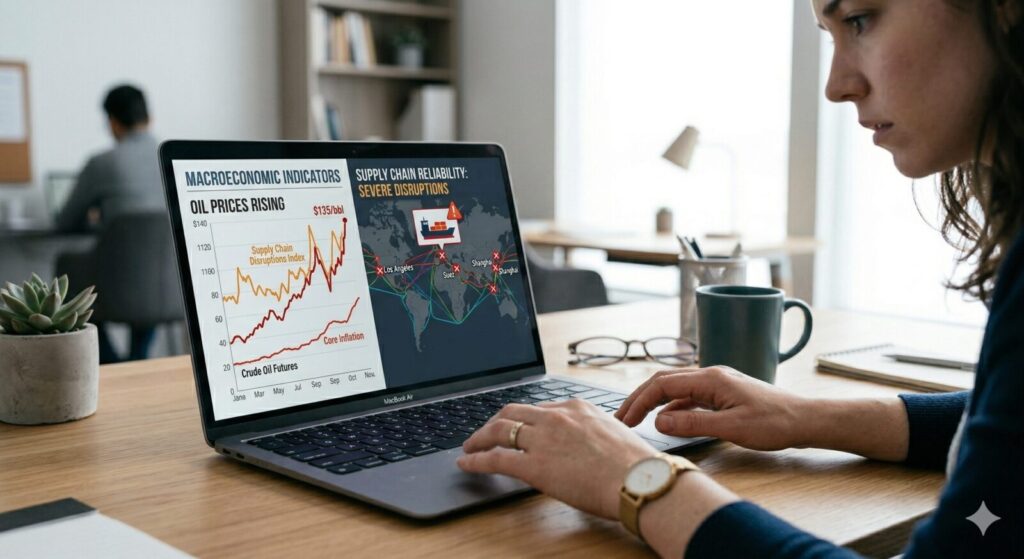
- Global supply chains are still adjusting
- Energy prices remain unstable
- Governments are managing debt and growth
- Technology is changing how industries operate
All of this creates a kind of pressure that doesn’t disappear quickly.
In the past, inflation came and went. Today, it lingers.
And that’s why people feel stuck.
📉 How Inflation Affects Your Income
Most people think inflation only increases expenses. But the bigger impact is on income.
When your earnings don’t keep up with rising costs, your real income shrinks. Even if your salary increases, it may not be enough.
That’s why many professionals today feel like they’re working harder but not getting ahead.
You can see this clearly when you break it down. Salary growth tends to be slow and structured. Inflation moves faster and hits immediately.
If you want to understand this gap more clearly, take a look at How Inflation Affects Your Salary, where this dynamic is explained step by step.
💸 Why the Middle Class Feels Poorer
The middle class is feeling this pressure the most.
They’re not struggling to survive, but they’re also not comfortable enough to ignore rising costs.
This creates a constant squeeze:
- Expenses increase
- Savings reduce
- Lifestyle adjustments become necessary
Over time, this leads to a feeling that’s hard to explain but easy to recognize:
👉 “I’m earning more, but I feel poorer.”

That feeling is not psychological. It’s structural.
If you want to see why this is happening across different economies, the article Why Middle Class Feels Poorer breaks it down in a very relatable way.
🌍 Global Signals: Interest Rates & Currency Moves
Global inflation 2026 doesn’t happen in isolation. It’s influenced by global decisions.
Central banks raise interest rates to control inflation. But higher rates also make loans expensive and slow down spending.
Central banks continue to raise interest rates to slow inflation and reduce excessive spending in the economy.
At the same time, currencies move constantly. A weaker currency makes imports costlier, which adds to inflation pressure.
This creates a chain reaction across countries.
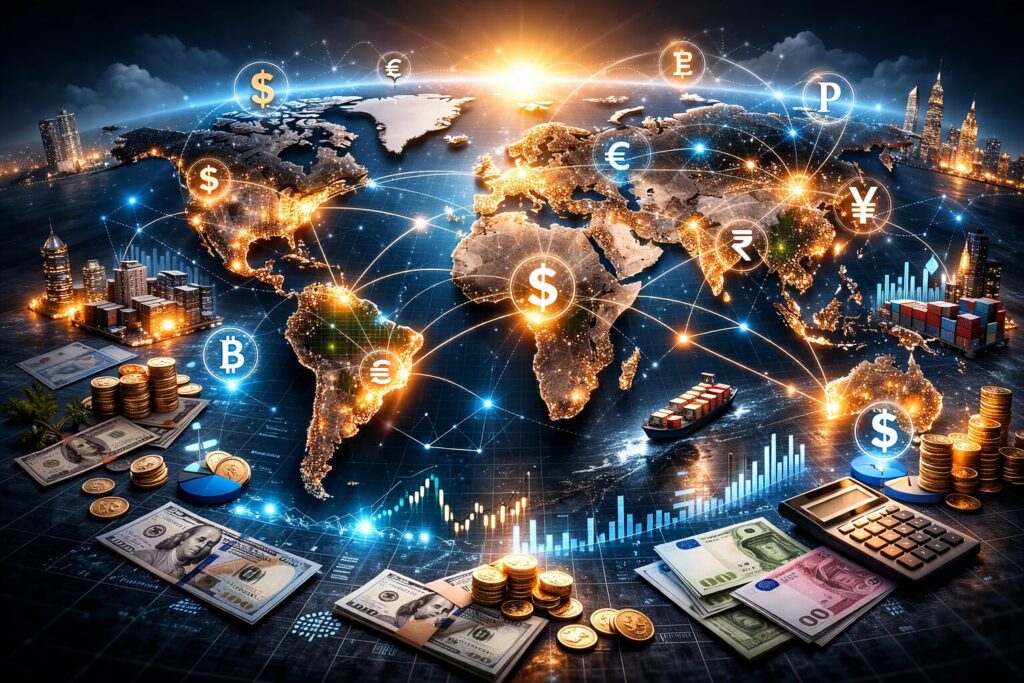
To understand how global inflation 2026 is shaping economies across different regions, explore real-world signals like Japan’s interest rate decision, currency shifts like the Indian rupee fall, and broader economic expectations trends:
- Japan Interest Rate Decision
- Indian Rupee Fall
- Economic Expectations at 12-Year Low
- Asia Economic Outlook Update
These are not just headlines. They directly influence everyday costs and show how global inflation 2026 is shaping real financial pressure across economies.
🧓 Government & Policy Impact
Governments try to reduce inflation pressure through policy changes, subsidies, and financial support systems.
But here’s the problem:
👉 Policy response is always slower than real-life impact.
By the time adjustments happen, people have already felt the pressure.
A good example of this is social security adjustments. They are designed to keep up with inflation, but they often lag behind it.
If you want to understand how this works, Social Security COLA 2026 gives a clear picture of how governments try to catch up.
⚠️ Financial Pressure Signals
Inflation often brings other warning signs with it.
One of them is when confidence in the financial system weakens. This can show up in different ways, including credit downgrades or reduced growth expectations.
These signals matter because they shape how investors, businesses, and governments behave.
They don’t just reflect the present. They influence the future.
For example, US Credit Downgrade 2025 highlights how larger financial systems respond under pressure.
🔍 The Hidden Impact of Inflation
The most dangerous part of inflation is not obvious.
It’s not the price increase you notice. It’s the slow erosion you don’t.
Over time, inflation:
- Reduces the real value of your savings
- Lowers purchasing power
- Forces lifestyle compromises
- Increases financial stress
And because it happens gradually, many people adjust without realizing what’s actually happening.
If you want to understand this deeper, How Inflation Silently Cuts Your Income in 2026 explains how this hidden effect works over time.
How Inflation Affects Jobs, Investing, and Daily Decisions
Inflation does not only change prices. It changes decisions.
Companies become more careful with hiring. Families delay big purchases. Investors look for safer assets. Borrowers feel pressure when interest rates stay high.
Technology and AI also play a role because businesses are spending more on automation, data, energy, and productivity tools. Some companies use technology to reduce costs, while workers worry about job stability and income growth.
This is why inflation is not just an economic number. It affects how people work, save, borrow, invest, and plan their future.
What You Can Do About It

You can’t control inflation. But you can respond to it intelligently.
Here are a few practical ways:
1. Focus on Increasing Real Income
Not just earning more, but earning in ways that outpace inflation.
2. Be Intentional With Spending
Track where your money goes. Small leaks matter more during inflation.
3. Think Long-Term in Investing
Short-term fluctuations are normal. Long-term strategy matters more.
4. Avoid Lifestyle Inflation
As income grows, keep expenses stable when possible.
The Bigger Shift Behind Inflation
There’s something deeper happening.
The way money moves globally is changing.
Technology, policy decisions, and global capital flows are reshaping financial systems. Inflation is just one visible part of that shift.
Some people will struggle with it.
Others will adapt early and benefit.
The difference comes down to awareness.
Final Thought
If money feels tight today, you’re not imagining it.
The system has changed. And global inflation 2026 is at the center of that change.
But once you understand how the pieces connect, you stop reacting blindly. You start making decisions with clarity.
And that changes everything.
Understanding global inflation 2026 is the first step to making better financial decisions in a changing economy.
📌 FAQs
1. Why does inflation make people feel poorer?
Because expenses rise faster than income, reducing real purchasing power.
2. Is inflation always bad?
Not always. Moderate inflation is normal, but high or persistent inflation creates financial pressure.
3. How can I protect my money from inflation?
Focus on long-term investing, increasing income sources, and controlling unnecessary expenses.
4. Why is inflation high in 2026?
Due to global supply issues, interest rate policies, energy costs, and economic transitions.
5. Does inflation affect everyone equally?
No. Middle-class and fixed-income groups feel the impact more strongly.
Related Inflation & Economy Guides