
Budgeting in 2025 feels harder than ever. Inflation, rising rent, and everyday expenses make it tough to stay in control. These budgeting tips for 2025 are designed to help you simplify your money, reduce stress, and build real financial stability, even if you feel behind today.
10 Powerful Budgeting Tips 2025 for Stress-Free Money
Managing money often feels overwhelming, especially in a world where inflation, rising interest rates, and financial uncertainty add pressure. But the truth is, creating and sticking to a budget can simplify your finances and reduce stress. A budget is more than numbers on a spreadsheet it’s your roadmap to financial stability and peace of mind.
These budgeting tips 2025 are designed for U.S. households navigating inflation and rising costs.
In this guide, we’ll break down practical budgeting tips for 2025, explore new digital tools, and share proven strategies that can help you manage your money better. Whether you’re paying off debt, saving for a home, or building wealth, these tips will keep you on track.
🎧 Prefer listening? Here’s a short audio summary of this article.
Why Budgeting Tips 2025 Matter More Than Ever
Financial stress is on the rise. Studies show that nearly 60% of Americans don’t fully understand their finances, which often leads to poor money decisions and more stress. Inflation continues to eat into household budgets, interest rates are higher than just a few years ago, and credit card debt has crossed $1.3 trillion in the US.
Budgeting is no longer optional
it’s a survival skill. By creating a plan for every dollar, you take control of your income, expenses, savings, and debt. This gives you clarity and confidence instead of financial anxiety.
One of the simplest starting points? Automate your savings every month. When you pay yourself first, you make sure that your financial goals are funded before anything else.
1 Smart Budgeting Tips for Everyday Expenses in 2025
2 The 50/30/20 Rule Still Works
A tried-and-true method for budgeting is the 50/30/20 rule:
- 50% for needs: rent or mortgage, utilities, groceries, insurance, transportation
- 30% for wants: dining out, streaming subscriptions, travel, hobbies
- 20% for savings & debt repayment: emergency fund, retirement accounts, loan repayments
For example, if you bring home $5,000 after tax each month, that breaks down into:
- $2,500 for needs
- $1,500 for wants
- $1,000 for savings and debt
This formula works well for most households, but in today’s high-inflation environment, you may need to adjust your percentages. Some Americans are shifting to 60/20/20 or even 70/20/10 just to cover essentials. The key is to stay flexible while keeping savings a priority.
One smart way to simplify your budgeting process is to use tools check out these Apps to Save Money Automatically in 2025 that can help you set aside cash without having to think about it.
3 Build an Emergency Fund in 2025
Financial experts recommend keeping at least one month of expenses in checking for daily liquidity and three to six months of expenses in a savings account as your emergency fund.
Why? Unexpected events happen a car repair, medical bill, or job loss. Without a cushion, many turn to credit cards, adding to debt stress. Even starting small ($50–$100 a month) makes a difference over time.
Pro tip: Automate transfers to a high-yield savings account so your emergency fund grows without effort.
By applying budgeting tips 2025, you can cut down on impulse spending and keep more money in your savings.
Since food costs are always eating into the budget, staying current on 2025 Grocery Trends can give you insights on how to shop smarter and stretch your dollars further.
4 The Psychology Behind Successful Budgeting
Budgeting isn’t just about math it’s about mindset. Many people quit budgeting because it feels restrictive. The trick is to make your budget work for you, not against you.
If staying consistent feels hard, this guide on how to stay motivated for long-term savings in 2025 can help you build habits that actually stick.
Some psychological hacks include:
- Automating bills and savings so discipline doesn’t rely on willpower
- Setting realistic goals instead of extreme cutbacks you won’t maintain
- Tracking small, recurring expenses (like $6 daily lattes or unused subscriptions) that quietly drain hundreds of dollars a month
- Rewarding progress—when you hit a savings milestone, treat yourself within reason
Research also shows that our sense of autonomy and competence influences how well we stick to financial plans. The more control you feel, the easier budgeting becomes.
5 Budgeting Made Easy: A Three-Step System
If you’re just starting, use this simple framework:
- Assess your finances: List your after-tax income and track expenses for 1–2 months.
- Set clear goals: Pay off a credit card, save $500, or invest $200 a month.
- Put your plan into action: Use apps or spreadsheets, automate transfers, and check progress monthly.
This system keeps things straightforward and avoids overwhelm.
If you want a simple framework for dividing your income, using the 70-20-10 Budget Rule 2025 is one of the best ways to structure your spending, saving, and investing.
6 Digital Tools and Apps for Budgeting Tips 2025

Budgeting in 2025 is easier than ever with digital tools. Many apps now use AI to analyze spending habits and suggest adjustments automatically.
- YNAB (You Need a Budget): Helps assign every dollar a job and plan ahead.
- Mint (transitioning into Credit Karma): Tracks spending and credit health together.
- Monarch Money & Rocket Money: Offer subscription tracking and AI-powered savings recommendations.
- Banking apps: Most US banks now include built-in budgeting features, real-time alerts, and cash flow projections.
For those who prefer spreadsheets, free templates on Excel or Google Sheets remain powerful tools. The difference now is that AI can help you forecast future spending patterns based on your past data.
“Digital tools make following budgeting tips 2025 simple and accurate, especially with apps that track expenses automatically.”
7 Credit Health and Budgeting
In 2025, lenders are looking beyond credit scores they’re evaluating cash flow, savings habits, and debt-to-income ratios. This means that monitoring your credit usage is now part of smart budgeting.
Keeping credit card balances under 30% of your limit improves your score and lowers borrowing costs. Tools like Experian Boost or Credit Karma can give free credit monitoring. Make credit part of your monthly financial check-in.
“Families across the U.S. are turning to budgeting tips 2025 to manage rising grocery, housing, and healthcare costs.”
8 Creating Your Personalized Budget Blueprint
Your budget should reflect your lifestyle and goals. Here’s a simple template to get started:
- Know your monthly income (after tax).
- List essential expenses (housing, food, transport, insurance).
- Add non-essential but meaningful expenses (entertainment, hobbies).
- Allocate savings and debt payments.
- Leave room for surprises.
A personalized plan allows you to live comfortably while building financial security.
“If your goal is debt reduction, these budgeting tips 2025 can help you prioritize payments without sacrificing essentials.”
“For a step-by-step government-backed guide, check out Consumer.gov’s budgeting resource.”
“Many experts agree that budgeting tips 2025 are most effective when paired with long-term financial planning.”
Real Story: Sarah’s Journey to Debt Freedom
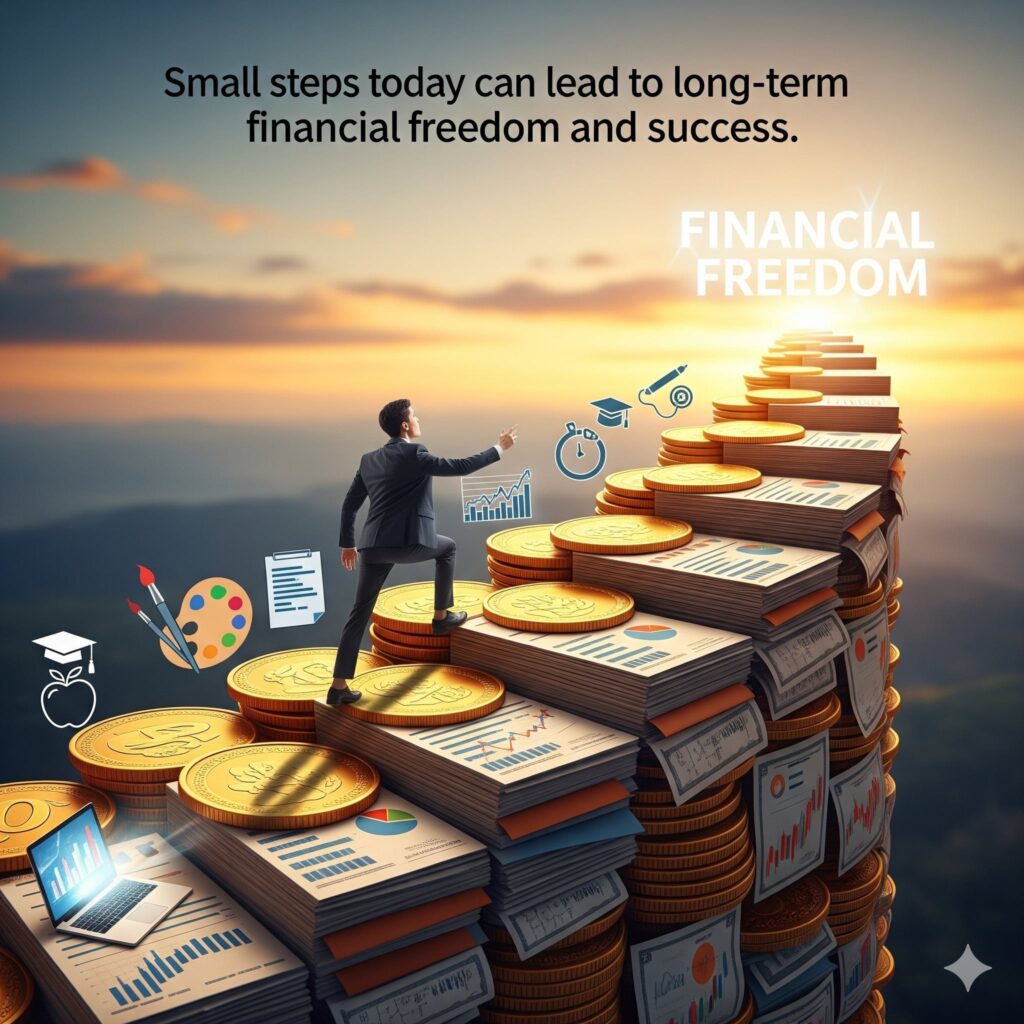
Take Sarah, a 32-year-old teacher from Ohio. She started with $35,000 in student loans and little savings. By following the 50/30/20 rule, automating $400 a month toward debt, and cutting small recurring expenses, she paid off her loans in five years.
Sarah also built a $10,000 emergency fund and started investing in her 401(k). Today, she has financial freedom to travel and plan for homeownership all because she stuck to simple budgeting habits.
These budgeting tips 2025 are not just about cutting costs but about using money wisely to create financial security.
9 Common Pitfalls to Avoid
Many people struggle with budgeting because of these mistakes:
- Not separating needs vs wants
- Ignoring emergency savings
- Overspending on credit cards
- Failing to track small expenses
- Not planning for retirement early
Nearly 42% of US adults don’t have a budget, and they are more likely to overspend and struggle financially. Avoid these traps by building small, sustainable habits.
“With inflation still affecting daily life, budgeting tips 2025 give households a roadmap to stretch every dollar further.”
10Long-Term Financial Success: Beyond Budgeting
Budgeting is just the foundation. Long-term success comes from:
- Reviewing your budget regularly (every 3–6 months)
- Using the SMART method (Specific, Measurable, Achievable, Relevant, Time-bound goals)
- Taking advantage of compound interest (investing even $100 a month can grow into tens of thousands over decades)
- Exploring side hustles or extra income streams a growing trend in 2025
Once your budget is stable, exploring low-risk investment options for beginners in 2025 is a smart next step to grow your money safely.
Even small extra income like freelancing, online teaching, or selling digital products can speed up your savings and debt payoff goals.
“Applying these budgeting tips 2025 consistently can make the difference between living paycheck to paycheck and building lasting wealth.”
Conclusion: Your Path to Stress-Free Money
Budgeting is not punishment it’s empowerment. By applying these budgeting tips for 2025, you can manage your money with less stress, save for the future, and build lasting financial freedom.
Remember, your budget is a living plan. Adjust it as your life changes, review it regularly, and stay consistent. With clear goals and the right tools, you’ll join the financially confident 58% who use a budget to achieve stability and peace of mind.
Your journey to stress-free money management starts today.
FAQ
1. Why is budgeting so important in 2025?
Because of inflation, higher living costs, and rising debt, budgeting is essential for stability and stress reduction.
2. What’s the best budgeting method?
The 50/30/20 rule is a great starting point, but you can adjust percentages based on your lifestyle.
3. What tools should I use for budgeting?
Apps like YNAB, Monarch Money, or even Excel spreadsheets are excellent. AI tools now make tracking easier than ever.
4. How much should I keep in an emergency fund?
At least three to six months of expenses. Start small and build over time.
5. How does credit health tie into budgeting?
Budgeting helps you pay bills on time and keep balances low, improving your credit profile.
6. Can budgeting really reduce stress?
Yes. Having a plan gives you confidence and removes uncertainty about where your money goes.
7. What’s a common budgeting mistake to avoid?
Not saving for emergencies. Unexpected expenses are the biggest budget busters.
8. Should I budget if I already make good money?
Absolutely. Even high earners lose money without a plan. Budgeting helps maximize savings and investments.
9. What role does psychology play in budgeting?
Automating finances, setting realistic goals, and understanding spending habits make budgeting easier to stick with.
10. How can I maintain long-term financial success?
Review your budget regularly, save consistently, explore side hustles, and invest for growth.
Related Articles
• Snowball Debt Reduction Method
• How to Set Smart Financial Goals
• Financial Simplicity
• Financial Anxiety