Rebuilding credit score after a financial setback is completely possible—even after job loss, unexpected bills, or other challenges. The reality is, even after job loss, medical bills, or unexpected expenses, you can rebuild your credit. This guide outlines practical steps to transform setbacks into progress through credit repair.
Your credit score influences loan options, insurance rates, and even where you can live. Yet, setbacks are common. What’s key is how you respond. With the right strategy, you can improve your credit score and achieve financial stability.
Learn how managing payments, using secured cards, and tracking your progress can significantly improve your score. This article offers a clear path to overcome challenges and build long-term financial health.
Key Takeaways
- Rebuilding your credit score begins with fixing errors and adopting disciplined financial habits.
- Credit repair demands patience but offers clear pathways through actionable steps like budgeting and payment tracking.
- Regularly monitoring your credit reports ensures progress stays on track during recovery.
- Small steps like automatic payments reduce future setbacks during the rebuilding process.
- Secured credit cards serve as tools to rebuild credit when traditional options aren’t available. you can read https://pennypowerplay.com/smart-credit-card-use-wealth-freedom/
Understanding Your Credit Score
Your credit score is like a financial report card. It tells lenders if you’ll pay back debts. In the U.S., scores range from 300 to 850, with higher numbers indicating better credit. The FICO and VantageScore models calculate these scores. Knowing how they work is crucial for strategies for credit score improvement.
What Is a Credit Score?
Think of your credit score as a snapshot of your financial behavior. Credit bureaus look at your history with loans, credit cards, and other accounts. Scores above 670 are generally considered good. But, reaching 700+ can get you better loan terms and interest rates.
Factors That Affect Your Credit Score
Five factors shape your score:
- Payment History (35%): Late payments can lower scores.
- Credit Utilization (30%): Keep balances low compared to credit limits.
- Length of Credit History (15%): Older accounts can boost your standing.
- New Credit (10%): Applying for too many loans at once lowers scores temporarily.
- Credit Mix (10%): A mix of loans (auto, student, credit cards) shows versatility.
“Rebuilding your credit is just the first step—achieving financial stability in 2025 requires consistent habits, smart planning, and a long-term mindset.”
Why Rebuilding Credit Score Matters in 2025 The Importance of a Good Credit Score
A strong score opens doors to lower mortgage rates, credit card approvals, and even rental agreements. Landlords or employers might check scores too. Building a good score protects you from high fees and improves your financial flexibility. Small steps like paying bills on time and monitoring utilization are part of long-term improve credit rating efforts. Understanding these basics puts you in control of your financial future.
Many Americans succeed at rebuilding credit score using secured cards and consistent tracking.
Common Reasons for Credit Score Declines
Understanding why your credit score dropped is crucial for credit repair. Financial setbacks like job loss, medical bills, or significant life changes often lead to score declines. Identifying these triggers allows for more effective credit restoration strategies.
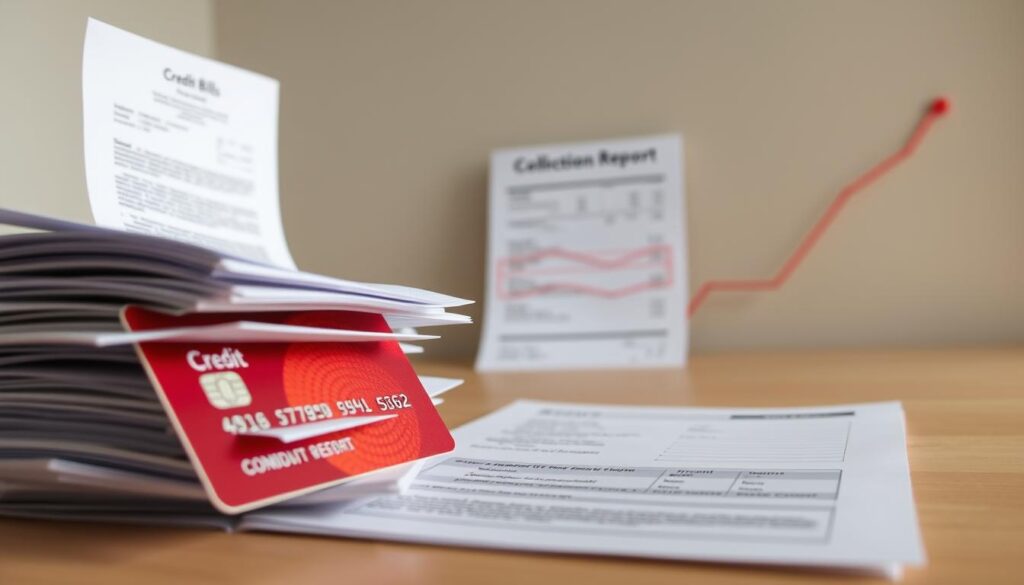
Missed Payments and Collections
Late payments can significantly lower your credit score, especially if they’re over 90 days. Recent missed payments have a greater impact than older ones. Collections accounts, which result from debts sent to agencies, also cause substantial score drops.
Maxed-Out Credit Cards
High credit card balances increase your credit utilization ratio, which is the percentage of available credit used. Keeping this ratio below 30% is advisable. For instance:
- Carrying a $3,000 balance on a $5,000 limit results in 60% usage, negatively affecting scores.
- Paying down to $1,500, however, reduces usage to 30%, which is better for credit health.
Bankruptcy and Foreclosures
Bankruptcy filings or foreclosures can drastically lower scores by over 100 points. These negative marks remain on your report for 7-10 years. Yet, credit restoration is achievable through timely payments and maintaining low balances post-event.
Many factors contribute to these setbacks, including economic downturns, divorce, or unforeseen emergencies. By addressing these areas, you can start to reverse the damage and rebuild your credit over time.
Steps to Begin Rebuilding Your Credit Score
Rebuilding your credit score requires immediate action. Start with these three foundational steps to set a solid foundation for long-term success:
Review Your Credit Reports
First, request free annual reports from Equifax, Experian, and TransUnion at AnnualCreditReport.com. Look for errors and dispute inaccuracies right away. Here’s how:
- Download reports and note any incorrect accounts or balances.
- Contact bureaus with documentation to dispute mistakes.
- Track disputes via certified mail for accountability.
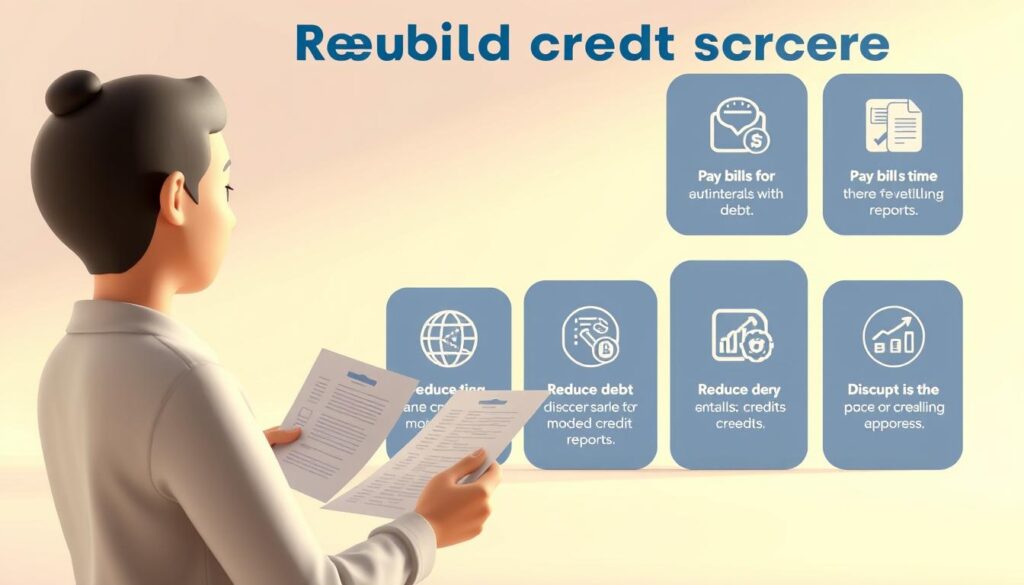
“Correcting errors is the first step toward accurate scoring,” says the Consumer Financial Protection Bureau.
Many Americans are now focused on rebuilding credit score to regain financial control, especially after economic hardships and unexpected life events.
Create a Budget to Manage Finances
Apply the 50/30/20 rule to manage your income:
| Category | % of Income | Purpose |
|---|---|---|
| Necessities | 50% | Rent, utilities, debt payments |
| Discretionary | 30% | Entertainment and non-essentials |
| Savings/Debt Reduction | 20% | Allocate toward credit card balances |
Set Up Payment Reminders
Use these tools to automate accountability:
- Calendar alerts for due dates
- Bank auto-pay setups for recurring bills
- Mobile app notifications
Consistent on-time payments reduce late fees and enhance credit repair efforts. Begin now to witness improvements in 3-6 months.
To better understand how credit scores work and how to repair them legally, visit the Consumer Financial Protection Bureau’s official guide.
The Role of Secured Credit Cards
Secured credit cards play a crucial role in your journey to boost credit score and improve credit rating. They require a security deposit, which serves as your credit limit. This makes them accessible, even for those with poor credit history. Let’s delve into their functionality and the advantages they offer.

What Is a Secured Credit Card?
A secured credit card demands a refundable deposit, typically ranging from $200 to $500. This deposit establishes your spending limit. For instance, a $300 deposit equates to a $300 credit line. Secured cards are easier to get approved for because the deposit acts as collateral. It’s vital to select cards that report to all three major credit bureaus (Equifax, Experian, TransUnion) to monitor your payments effectively.
Benefits of Using Secured Credit Cards
- Builds payment history: Timely payments contribute positively to your credit report.
- No annual fees: Many cards, such as the Discover it® Secured or Capital One Secured Card, do not charge annual fees.
- Graduation paths: Some cards transition to unsecured status after 6–12 months of responsible use, allowing for increased limits without additional deposits.
When choosing a card, steer clear of those with high APRs or hidden fees. Utilize it for everyday expenses, such as fuel or groceries, and ensure full payment each month. This consistent behavior will gradually enhance your creditworthiness, leading to a steady increase in your score.
Building a Positive Payment History
Your payment history is a significant factor in your credit score, making up nearly a third of it. Making consistent, on-time payments is crucial for improving your credit score. Even small actions today can lead to significant credit restoration over time.
Begin by focusing on making minimum payments first. Remember, late payments can stay on your credit report for seven years. So, it’s essential to:
- Keep track of due dates on all accounts
- Set up calendar reminders five days before payment is due
- Reach out to creditors early if you’re facing any payment delays
To avoid missing payments, consider automating your minimum payments:
- Log into your bank’s online portal
- Choose the “bill pay” or “auto-debit” options
- Set up reminders to check your account balances regularly
| Payment Plan Options | How It Works |
|---|---|
| Hardship Programs | Temporary reduced payments for financial emergencies |
| Installment Agreements | Structured repayment schedules for large balances |
| Custom Arrangements | Personalized terms negotiated directly with lenders |
If unexpected events disrupt your payment plans, negotiate terms that keep your accounts current. Creditors generally prefer partial payments over missed ones. Each on-time payment reported to credit bureaus enhances your recovery. This consistent effort transforms small victories into substantial credit restoration.
Diversifying Your Credit Mix
Incorporating ways to boost credit score often involves expanding the types of credit you use. Credit-scoring models favor borrowers who responsibly handle diverse accounts, even though this factor accounts for just 10% of your score. Strategic diversification can strengthen your profile without unnecessary risk.

Types of Credit Accounts to Consider
- Revolving credit: Credit cards allow borrowing up to a limit, requiring minimum monthly payments.
- Installment loans: Mortgages, auto loans, or personal loans require fixed monthly payments over set terms.
- Open credit: Utility or phone accounts that demand full payment each period.
How Mixing Credit Can Boost Your Score
Adding a new credit type shows lenders you can manage different obligations. For example, pairing a credit card with a small personal loan demonstrates financial versatility. Credit rebuilding services like credit rebuilding services such as Self’s credit-builder loans report payments to bureaus, aiding score growth. However, avoid opening accounts solely for diversification—only take on debt that aligns with your financial goals.
Always prioritize responsible borrowing. Opening multiple accounts at once triggers hard inquiries, temporarily lowering scores. Focus on maintaining existing accounts while gradually adding one new type every 6–12 months to balance growth and risk.
Utilizing Credit Counseling Services
Credit rebuilding services offer personalized support for those facing credit repair challenges. Professional counselors guide you in managing debts, improving spending habits, and creating plans to enhance your credit score. It’s crucial to research and choose a service that meets your specific needs. 
What Do Credit Counselors Do?
Professional credit counselors assist you in several ways:
- They review your financial situation and set priorities.
- They help create personalized budgets to curb overspending.
- They negotiate with creditors for more affordable repayment terms.
- They develop strategies to address errors on your credit reports.
How to Choose a Credit Counseling Service
When selecting a service, look for these key criteria:
- Certification: Ensure the agency is NFCC-accredited, indicating it’s a nonprofit.
- Transparency: Steer clear of services that ask for upfront payments.
- Services Offered: Choose services that focus on education and planning, not quick fixes.
| Feature | Nonprofit Agencies | For-Profit Companies |
|---|---|---|
| Cost | Free or low fees | Potential monthly fees |
| Credit Repair Focus | Education and budgeting | Automated report monitoring |
| Certification | NFCC-accredited | Varies by company |
Always check BBB ratings and avoid services promising instant credit score improvements. Effective credit rebuilding takes time and realistic expectations about changing long-term financial habits.
Avoiding Common Pitfalls
Even as you work on rebuilding bad credit, certain actions can undermine your efforts. Avoid these missteps to keep your credit restoration on track.

Don’t Close Old Accounts
Closing older credit accounts shortens your credit history and reduces available credit. Your average account age and total credit limit drop, raising your credit utilization ratio. Instead of closing old cards, keep them active with small, recurring charges like a monthly streaming subscription.
Avoiding New Hard Inquiries
Every new loan or credit card application triggers a hard inquiry, which stays on your report for two years. Applying for multiple credits in a short span signals financial risk. Shop for loans within a 14–45 day window to group inquiries into a single scoring hit. Use pre-qualification tools (soft inquiries) to check rates without affecting your score.
Steer Clear of Unsecured Debt
Predatory loans like payday advances or high-interest credit cards trap users in debt cycles. These products often charge APRs exceeding 300%. Seek alternatives like credit-builder loans from local credit unions or secured cards backed by deposits to avoid spiraling debt.
Maintaining focus on these steps ensures steady progress toward stronger credit.
Monitoring Your Credit Progress
Regularly tracking your credit score is crucial for enhancing your credit rating. It allows you to identify any inaccuracies or track your progress towards better credit. Here’s how to stay updated every step of the way:
How to Access Your Credit Score
Access your score for free through services like Credit Karma, Bank of America accounts, or annual reports via AnnualCreditReport.com. Most banks now offer free FICO or VantageScore updates online. Be sure to check the terms to avoid hidden fees.

Tools for Credit Monitoring
Choose tools that align with your needs. Compare these options:
| Tool | Features | Cost |
|---|---|---|
| Credit Karma | Monthly VantageScore updates, budgeting tips | Free |
| Experian | Real-time alerts, identity theft protection | $19.95/month |
| FreeCreditScore.com | Free FICO Score from Equifax | Free with email sign-up |
Understanding Credit Score Updates
Your score updates monthly as lenders report changes. Fluctuations are normal—scores may vary between services due to different scoring models. Focus on trends over time rather than daily shifts.
Pro tip: Schedule checks quarterly to avoid obsessing over minor drops. Use these strategies for credit score improvement to stay focused on long-term growth.
The Importance of Patience in Rebuilding
Rebuilding your credit score is a long-term journey, not a quick fix. It’s about gradually overcoming past mistakes and building new, positive habits. Every action you take today will shape your future, but don’t expect immediate results.

Why Credit Repair Takes Time
Small issues, like a missed payment, can disappear from your report in 6–12 months. However, serious problems like bankruptcy can linger for 7–10 years. Yet, as you add more positive entries, their negative impact diminishes. It’s similar to gardening: seeds take time to grow, but with consistent care, you’ll see results.
Setting Realistic Goals
Set goals that are within reach. For instance:
- Improving from poor to fair in 1–2 years
- Shifting from fair to good within 3 years
Focus on small victories, like consistently paying bills on time. Acknowledge these achievements—they show your hard work is paying off.
Celebrating Your Credit Success
Rebuilding your credit is a journey of steady progress. Each score increase or approved application shows improvement. These milestones are a testament to your efforts in making on-time payments and keeping credit utilization low. These are crucial ways to boost credit score strategies you’ve adopted. Celebrate these moments as evidence that your hard work is paying off.
Acknowledging Small Wins
A 20-point score increase or a first-time credit limit raise are significant achievements. They demonstrate your dedication to financial responsibility. Each positive step enhances your credit profile, leading to better loan terms or lower interest rates. Acknowledge these victories as evidence of your journey toward financial stability.
The path to rebuilding credit score starts with habits like timely payments and strategic budgeting.
Planning for Future Financial Health
Consistency, patience, and the right tools make rebuilding credit score not just achievable—but sustainable in the long run.
After boosting your score, focus on maintaining good habits. Continuously monitor your credit and steer clear of unnecessary debt. Consider credit rebuilding services for ongoing support or leverage your improved score for better mortgage terms or investments. Building an emergency fund and diversifying your credit mix further solidifies your financial future. Consistent adherence to these steps ensures lasting stability and future growth opportunities.
FAQ
What is a credit score?
A credit score is a three-digit number between 300 and 850. It reflects your creditworthiness. Lenders use it to gauge the risk of lending you money.
How can I improve my credit rating?
To boost your credit score, focus on timely payments and lower your credit utilization ratio. Diversify your credit and dispute any report errors. These steps can significantly improve your score.
What are some common reasons for a decline in my credit score?
Missed payments, high credit card balances, and negative marks like bankruptcies can lower your score. These factors can have a significant impact.
What steps can I take to begin rebuilding my credit score?
Start by reviewing your credit reports for errors. Create a budget to manage your finances. Set up payment reminders to avoid late payments.
How do secured credit cards work?
Secured credit cards require a cash deposit as collateral. They establish your credit limit. They’re great for those with bad credit, helping you build a positive payment history.
Why is payment history important for my credit score?
Payment history is about 35% of your credit score. Making payments on time is key to maintaining and improving your score.
What types of credit accounts should I consider diversifying with?
Diversify by adding revolving accounts, installment loans, and open accounts. This mix can help improve your credit score.
What do credit counseling services do?
Credit counseling services offer strategies for credit repair and budgeting. They provide personalized advice to improve your credit rating. They help manage and pay off debts effectively.
What pitfalls should I avoid while rebuilding my credit?
Avoid closing old accounts and making multiple new credit inquiries. Also, steer clear of unsecured debt that can lead to financial trouble.
How can I monitor my credit progress?
Use financial services to access your credit score. Credit monitoring tools can alert you to changes and potential errors.
Why does credit repair take time?
Credit repair is slow due to various score influencers. Fixing negative items requires consistent effort over months or years, depending on the issue’s severity.
Steps for Rebuilding Credit Score Successfully in 2025
Celebrate small victories like score increases, better loan rates, or new credit opportunities. Each success motivates you to keep working towards a healthy credit profile.